
Smart Ways to Cut Electricity Waste Without Sacrificing Comfort
People often assume that lowering an electricity bill means accepting a noticeably worse lifestyle. In practice, the biggest savings usually come from reducing waste rather than comfort. Waste happens when appliances run harder than necessary, rooms are conditioned when nobody is using them, chargers stay plugged in for no reason, or old habits continue long after better equipment becomes available.
A useful electricity-saving strategy starts with observation. Instead of trying to change everything at once, identify the moments where power is being used without producing real value. That shift in thinking is more sustainable than short-lived austerity because it focuses on efficiency, not deprivation.
Look for invisible waste first
Invisible waste is power consumption that does not announce itself. A device on standby, a refrigerator seal that leaks cool air, a dusty air-conditioner filter, or an old router running in a poorly ventilated corner may quietly add up over time. Because the effect is spread across the month, many households underestimate it.
- Standby electronics that stay energized around the clock
- Cooling equipment with clogged filters or blocked airflow
- Lighting in corridors, porches, or store rooms that stays on by habit
- Chargers left connected even when the device is no longer attached
Prioritize the systems that run the longest
A ceiling fan used for ten minutes is rarely the problem. A cooling unit, water pump, old freezer, or entertainment setup that runs for many hours each day deserves much more attention. Focus on duration first, then wattage. A moderate-efficiency appliance used constantly may cost more than a high-power appliance used rarely.
| Area | Low-effort change | Expected benefit |
|---|---|---|
| Lighting | Replace the most-used bulbs with LED lamps | Lower consumption and less heat output |
| Cooling | Clean filters and use a moderate thermostat setting | Improved efficiency and steadier performance |
| Electronics | Switch off standby-heavy devices overnight | Eliminates avoidable background draw |
| Charging | Unplug idle chargers and adapters | Reduces minor but constant waste |
| Habits | Use room-based shutdown routines | Improves consistency without extra tools |
Comfort-friendly behavior changes
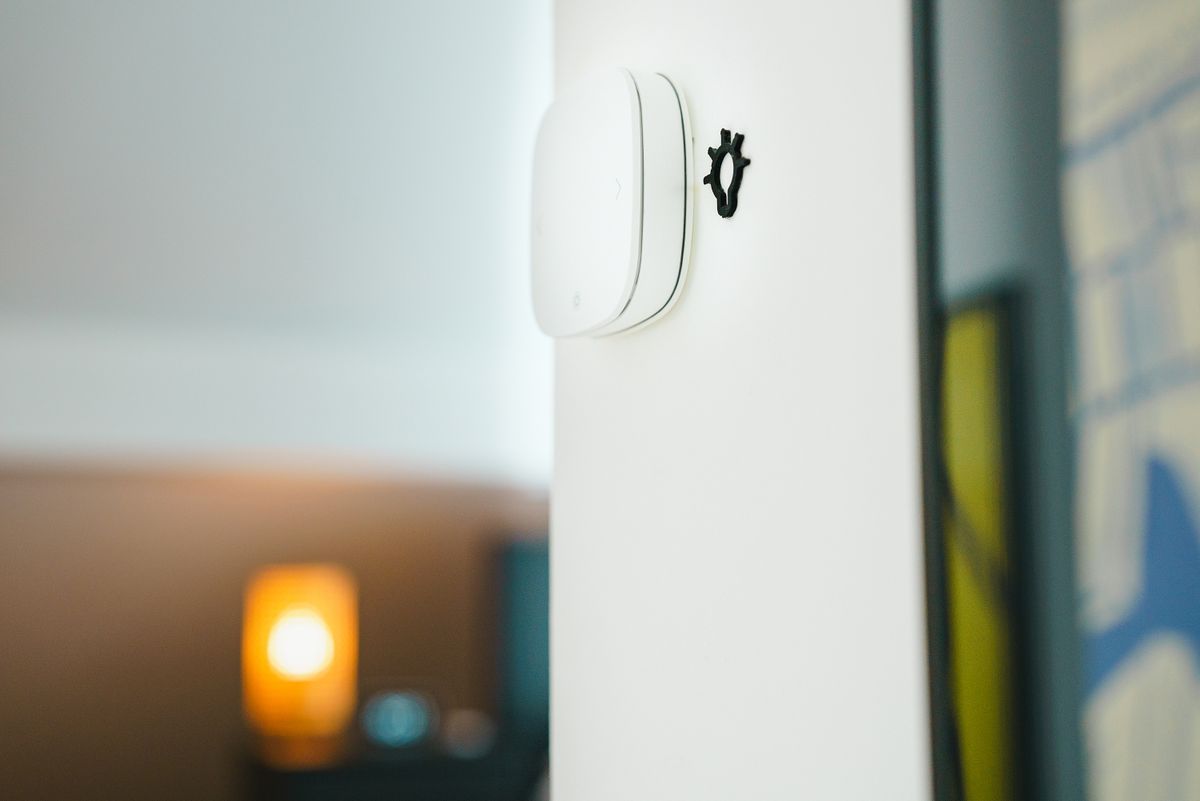
The easiest savings are the ones that do not force daily friction. For example, if family members repeatedly forget to turn off a hallway light, the problem may not be discipline alone. It may be that the switch is placed awkwardly or the light level at dusk is inconsistent. A comfort-friendly solution might be brighter daylight access, a better bulb, or a clearer room routine.
Consider a simple example: instead of lowering air-conditioner temperature sharply and switching it off abruptly later, use a moderate setting and improve airflow with clean filters and sensible room sealing. Occupants stay comfortable, the compressor cycles more rationally, and the system avoids unnecessary strain.
Measure one room at a time
Households often lose momentum because “saving electricity” feels too large to manage. A room-by-room method works better. Start with the most frequently used room in the home. Review lighting, charging, ventilation, cooling behavior, and idle equipment. Then move to the next room the following week.
- Choose one room and list its regular electrical devices.
- Mark which devices are essential, occasional, or unnecessary at certain times.
- Identify one equipment improvement and one behavior improvement.
- Track the effect for a month before making the next change.
When upgrades make sense
Not every saving opportunity requires buying new hardware. Still, some upgrades are justified when an old device has become a permanent source of inefficiency. LED lighting, better adapters, energy-aware cooling equipment, and newer electronics can reduce recurring waste substantially if the old device runs often enough.
The important thing is to compare purchase cost with usage intensity. Replacing a rarely used lamp is less urgent than upgrading a cooling unit or improving the efficiency of a heavily used workspace. In other words, frequency should guide investment.
Build a household energy routine
Long-term savings come from a routine that feels natural. A simple evening check of standby loads, smarter cooling settings, cleaner equipment, and better lighting choices can reduce wasted electricity without making the home feel restrictive. Readers interested in going deeper can also compare our guides on lowering electricity bills, inverter air-conditioner tradeoffs, and how electricity generation choices affect cost and pollution.
Saving power is most effective when it becomes part of ordinary design, not a short burst of motivation. The more naturally your routines match the way your home is actually used, the easier it becomes to keep comfort high while waste falls away. When unstable power or a weak backup battery is part of the problem, use our guide to diagnosing home power and battery issues to check the source before replacing equipment.